
The short version
- Comprehensive coverage usually pays for a stolen car and damage from a break-in.
- Belongings taken from the car are often covered by homeowners or renters insurance instead.
- A police report and a prompt call to your insurer usually start the claim.
You walk out to where you parked and the space is empty. Or the car is there, but a side window is shattered and the glove box hangs open. Either way, your stomach drops, and a dozen questions arrive at once. Who do I call first? Is this covered? How am I getting to work tomorrow?
Most of the answers depend on one part of your policy: comprehensive coverage. It's the coverage that handles losses other than collisions, and theft is one of its main jobs. Here's how the process usually unfolds, and where the common surprises are.
First, make sure it was really stolen
It sounds obvious, but it's worth a few minutes before you assume the worst. Cars get towed for expired meters, street cleaning, blocked driveways and private-lot violations, and a missed loan payment can lead to repossession. Check posted signs, call the local towing or impound line if your city has one, and if you finance the car, ask yourself honestly whether a repossession is possible.
If none of that explains it, treat it as a theft and move to the next steps without waiting. Speed helps. The sooner police have the vehicle's details, the better the chance it's found, and insurers generally expect prompt reporting.
Calls to make in the first day
Here's a practical order of operations. You may not have everything at hand, and that's fine. Start with what you have.
- Report the theft to police and get a report number. Insurers usually require one for a theft claim, and it can also help if the car is later ticketed or used in another crime.
- Contact your insurer or agent to open a claim. Have your policy number, the location, the time you last saw the car and the report number ready.
- Tell your lender or leasing company if you have a loan or lease. They have an interest in the car and in any settlement.
- Gather details the insurer will likely ask for: the VIN, license plate, year, make, model, mileage, color, notable damage or features, and how many keys you have and where they are.
- If personal documents, a garage opener or house keys were in the car, think about changing locks and codes, and keep an eye on your accounts in case identity documents were taken.
- If a tracking app or connected-car service is linked to the vehicle, share location information with police rather than trying to recover the car yourself.

What comprehensive usually pays for
If you carry comprehensive coverage, it generally pays for theft of the vehicle itself and for damage caused during a theft or attempted theft, minus your comprehensive deductible. That often includes a broken window, a damaged ignition or steering column, and pried door locks. Theft of parts from the car, such as wheels or a catalytic converter, is typically handled under comprehensive as well.
If you carry only liability coverage, there's usually no coverage for theft of your own car or damage from a break-in. Liability pays for harm you cause to others, not losses to your own vehicle.
Many policies also include limited transportation or rental coverage after a covered theft, sometimes starting after a short waiting period and capped at a daily amount. Others provide it only if you added rental reimbursement coverage. The terms vary by insurer, so ask when you open the claim rather than assuming.
Custom equipment and aftermarket upgrades may be covered only up to a set amount unless you added coverage for them, which is another detail worth confirming.
The waiting period and the settlement
A stolen-car claim doesn't usually settle right away. Many insurers wait a period of time to see whether the car is recovered, and the length varies by insurer and sometimes by state rules. During that time, the adjuster reviews the report, confirms coverage and gathers information about the car's value.
If the car isn't recovered, the settlement is typically based on the car's actual cash value just before the theft, minus your deductible. Actual cash value accounts for age, mileage, condition and local market prices, so it's often less than what you paid or what you still owe.
If you have a loan, the payment generally goes to the lender first, and any remainder goes to you. If you owe more than the car is worth, gap coverage, where you have it, may help with the difference. Without it, you may still owe the lender after the settlement.
If the car turns up
If the car is found before the claim settles, it usually goes back to you, and comprehensive pays for covered damage from the theft, minus your deductible. If it's found after you've been paid, the insurer typically takes ownership, since it has already paid you for the vehicle. Some insurers let you buy it back, and the details depend on the insurer and your state.
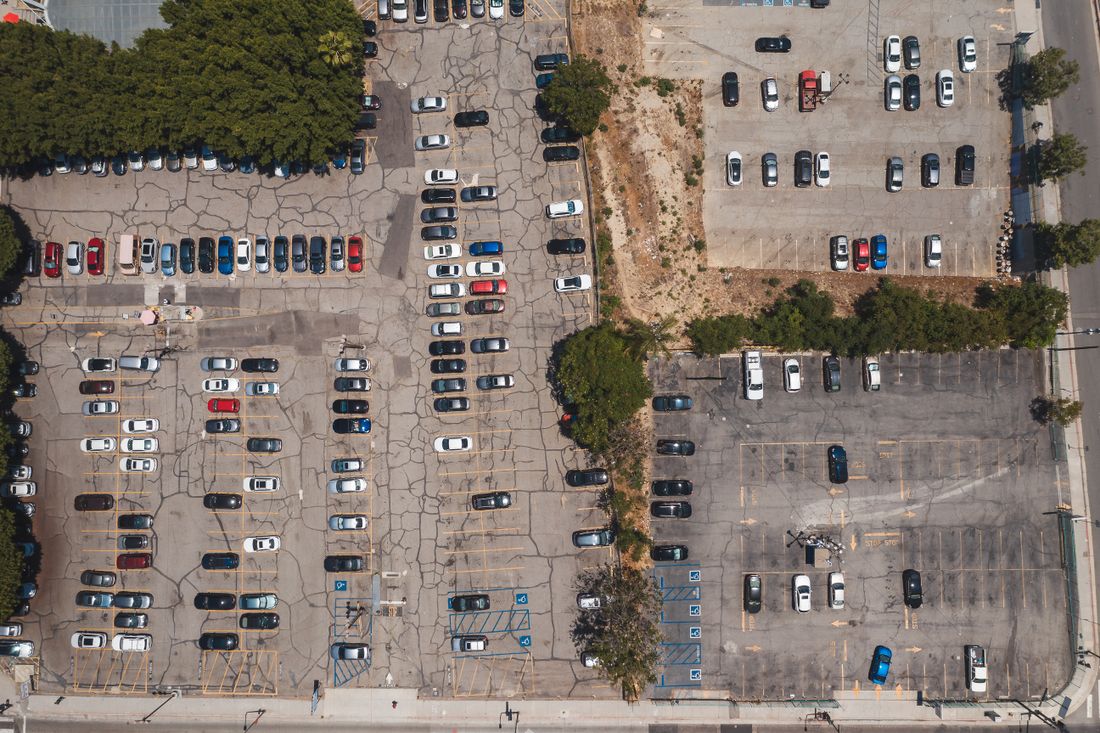
Break-ins: the car is covered, your things may not be
This is the surprise that catches a lot of people. When someone smashes a window and grabs a laptop, a bag or a phone, the auto policy generally covers the window and any damage to the car. The items themselves are usually not covered by auto insurance.
Personal belongings stolen from a car are more often covered by homeowners or renters insurance, which typically protects your possessions away from home. That coverage has its own deductible, which may be larger than the value of what was taken. Some auto policies offer limited coverage for personal items, and many cover electronics permanently installed in the car. Portable items, such as a removable GPS unit or a dash camera you take with you, may be treated differently.
Glass damage from a break-in often falls under comprehensive, and some policies have a separate glass deductible or full glass coverage. Ask your insurer which applies before you schedule a repair.
Looking at your coverage before anything happens
The best time to understand theft coverage is on an ordinary afternoon, not the morning your car goes missing. A quick look at your declarations page will show whether you carry comprehensive, what the deductible is, and whether rental or transportation coverage is listed.
A few questions are worth asking when you compare policies:
- What does my comprehensive deductible apply to, and is glass handled separately?
- Is there any transportation or rental coverage after a theft, and does it start right away?
- How are aftermarket parts and equipment treated?
- If I finance the car, does it make sense to carry gap coverage?
AutoAssures can pass one request to up to four licensed partners in your state, and you can put these same questions to each of them. Comparing answers side by side makes it easier to choose coverage that fits your car and where it spends its nights.