
The short version
- Standard policies usually pay actual cash value, which may undervalue a well-kept classic.
- Agreed value and stated value differ, so ask exactly how a total loss is paid.
- Collector policies come with usage, storage and mileage rules that vary by insurer.
Say you own a 1960s convertible that only leaves the garage for Sunday drives and car shows. A standard auto policy may not fit it well. Standard policies are built for everyday cars that lose value every year. Many collector cars do the opposite, holding or even gaining value, and a policy that doesn't account for that can leave you underpaid after a loss.
Collector car insurance exists to fill that gap. It works differently, comes with its own rules, and isn't right for every older car. Here's how to tell whether yours is a candidate.
How a standard policy values your car
Most standard auto policies pay actual cash value when a car is totaled or stolen. Actual cash value is roughly what the car was worth just before the loss, and adjusters usually figure it by looking at recent sales of similar cars and adjusting for mileage and condition.
That approach works for a five-year-old sedan. It works poorly for a carefully restored classic. Comparable sales can be thin, condition varies enormously, and an adjuster working from general valuation tools may not capture what a well-kept example is really worth. Money you've put into a restoration may not show up in the number either.
Standard policies also aren't designed around how collectors use their cars. Coverage for parts sitting on a shelf, a car in the middle of a restoration or a vehicle on a trailer headed to a show may be limited or missing.
Agreed value and stated value
Collector policies usually offer agreed value. You and the insurer settle on the car's value when the policy starts, often supported by photos, receipts or an appraisal. If the car is totaled, the insurer pays that agreed amount, less any deductible that applies, without arguing about depreciation after the fact.
Stated value sounds similar but can work differently. With some stated value policies, the insurer pays the lesser of the stated amount or the car's actual cash value at the time of loss. That makes the stated figure a ceiling rather than a promise. If a quote uses the word stated, ask exactly how a total loss would be paid.
An appraisal isn't always required, especially for lower-value cars, but for rare or heavily restored vehicles an insurer may want one from a qualified appraiser. You may need to arrange and pay for it yourself, so ask early.

Who usually qualifies
Because collector cars are driven so little and usually cared for so well, insurers price these policies with that limited use in mind. In exchange, they set conditions. The rules vary by company, but common ones include:
- The car is a collector, antique, classic or special interest vehicle, with age cutoffs that differ by insurer.
- It's used for pleasure, such as club events, shows, parades and occasional drives, not commuting or running errands.
- Annual mileage stays within a limit, and some plans offer several mileage tiers.
- The car is kept in a locked, enclosed garage or storage unit when not in use.
- Every driver in the household has a regular-use vehicle insured for daily driving.
- Drivers meet age and driving record requirements.
Expect application questions a standard policy never asks, about the car's condition, modifications and the other vehicles in your household. Answer them carefully, since a mismatch between the application and how the car is really used can complicate a claim.
If you drive your older car to work every day, a collector policy probably isn't the right match, even if the car itself would qualify.
Features standard policies rarely offer
Beyond the valuation method, collector policies often include coverage built around how hobbyists actually live with their cars. Availability and limits vary, but you may see:
- Spare parts coverage for components stored in your garage
- Restoration coverage that increases as work on a project car progresses
- Flatbed towing, so the car isn't damaged by a standard tow
- Choice of repair shop, including specialists in older vehicles
- Coverage at car shows and while the vehicle is being transported
- Options to adjust the agreed value during the policy term
Ask which of these are included and which cost extra. Two policies with similar premiums can differ quite a bit here. Deductible options differ too, and some collector policies offer small or no deductibles for certain losses, so ask what would apply to your car.
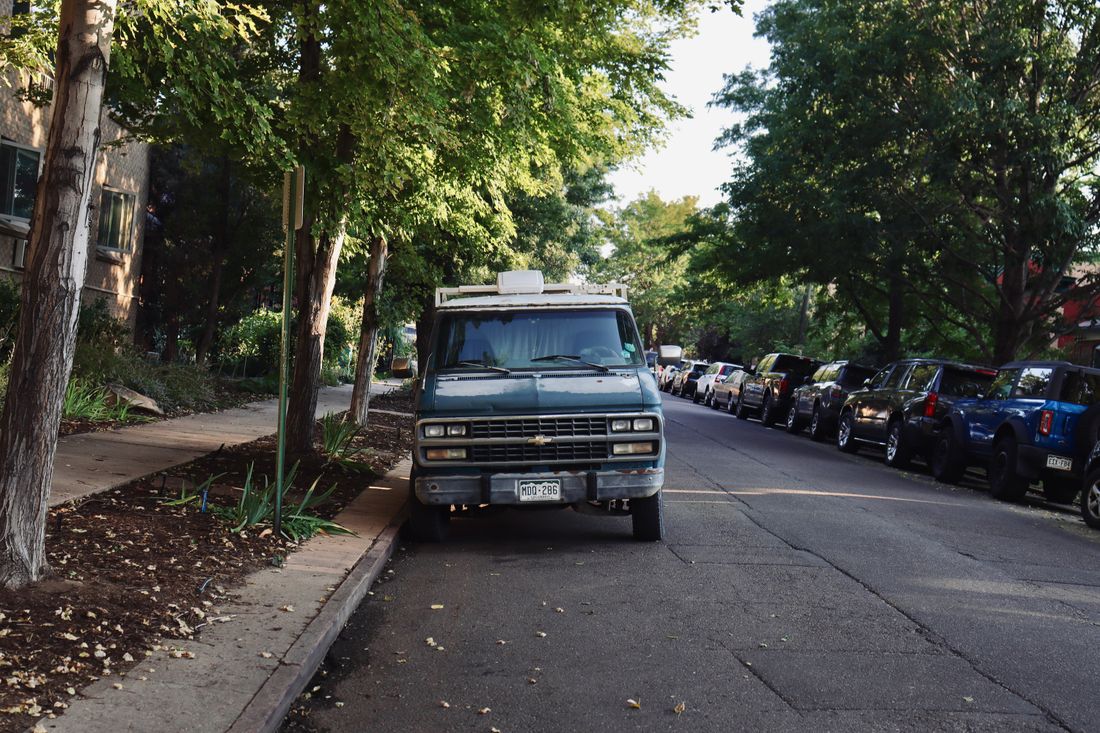
Keeping the value current
Agreed value only protects you if it reflects today's market. A car insured years ago at one figure may be worth considerably more after a restoration or a rise in collector interest. It may also be worth less if the market cools.
Review the value at least once a year and whenever you finish significant work. Keep a folder, paper or digital, with:
- Current photos of the exterior, interior, engine bay and undercarriage
- Receipts for parts, paint and labor
- Any professional appraisal and its date
- Records of awards or show judging, if relevant
Some insurers accept owner-provided documentation for value changes, while others want a new appraisal above a certain amount. Ask how they handle updates before you need one.
If a loss does happen, having that folder ready makes the conversation with an adjuster much easier. It also helps show what the car looked like before it was damaged.
When a standard policy may still make sense
A collector policy isn't automatically the better choice. If your older car is a daily driver, if you can't store it in an enclosed garage, or if its market value is modest and unlikely to climb, a standard policy may suit your situation. Owners of heavily modified cars and restomods sometimes find that collector programs treat those vehicles differently, so check how an insurer defines eligibility.
It also helps to confirm how a collector policy works alongside your everyday coverage. Liability limits, uninsured motorist coverage and medical coverage deserve the same review as the car's value, since a crash in a classic can injure people just as easily as one in a modern car.
Comparing collector and standard options
The right choice depends on how you use the car, where you keep it and what the market says it's worth. Comparing a collector policy with a standard one side by side, with the same liability limits, shows you what you gain and which rules you'd be agreeing to. AutoAssures can pass one request to up to four licensed partners in your state, and an agent you speak with can tell you whether they write collector coverage or explain how their standard policy would value your car. From there, you can decide which approach matches the way you enjoy it.