
The short version
- Tell your insurer where the car is actually kept during the school year.
- Students leaving the car at home may qualify for an away-at-school discount.
- Items stolen from a car are usually a homeowners or renters matter.
Sending a student off to college changes a lot of routines, and the car insurance policy is one of the quieter things that shifts along with them. Maybe the car stays in the driveway at home. Maybe it goes to a campus four states away. Maybe your student doesn't take a car at all but borrows a roommate's for a grocery run now and then. Each of those situations is handled a little differently, and the details matter when a claim comes up.
The good news is that most of the changes are simple once you know what your insurer needs to hear. This guide covers the common away-at-school scenarios, the questions that tend to come up, and how to keep the policy lined up with how the car is really being used.
Staying on the family policy
In many households, a college student stays listed on a parent's policy while in school. Insurers generally allow this as long as the student is still considered part of the household, which often includes students who live away during the school year but come home for breaks. How each insurer defines a household member varies, so it's worth confirming how yours treats a full-time student with a campus address.
Staying on the family policy can have practical advantages. The student may benefit from multi-car or multi-policy discounts the parents already have, and the student builds a continuous insurance history as a listed driver. Some insurers view that history favorably later, when the student buys a policy of their own.
There are situations where a separate policy makes more sense or is required. If the car is titled only in the student's name, some insurers want the owner to be the named insured on the policy that covers it. If the student is married, financially independent or living permanently in another state, the household connection may no longer apply. These rules differ by insurer and sometimes by state, so ask before assuming.
When the car goes to campus
The update people most often forget is the garaging address. Your premium is partly based on where the car is kept overnight, and a car parked outside a campus apartment in a different city or state may be rated differently than one sitting in your home garage. The price could go up or down depending on the location. The point is that the information needs to be accurate.
If the insurer doesn't know the car has moved, a claim can get complicated. Insurers ask about garaging because it affects risk, and a significant misstatement can lead to questions during a claim or problems at renewal. A quick call or online update usually handles it.
Crossing state lines adds another layer. If the car will be kept in another state for most of the year, that state may have its own rules about registration and insurance for vehicles kept there, and some states treat students differently than other residents. Some insurers can cover a car garaged in another state on the same policy, while others may need to write it differently or may not be licensed in that state at all. Your insurer and the school state's motor vehicle agency are the right places to check.

When the car stays home
Plenty of students leave the car behind, especially at schools where parking is scarce or expensive. If that's your situation, ask your insurer about an away-at-school or distant student discount. Many insurers offer something along these lines for a listed student who attends school more than a set distance from home and doesn't have a car there. The distance threshold and the size of the discount vary by company.
Keep the student listed rather than removing them entirely. The student will likely drive the family car during holidays and summer, and a listed driver is typically handled more cleanly in a claim than an unlisted one. Removing a driver can also interrupt their insurance history. If your insurer has a status for students who are away without a vehicle, that's usually the one to use.
When your student comes home for the summer and starts driving again, nothing typically needs to change if they stayed listed. If you did remove them, add them back before they get behind the wheel.
Borrowing a friend's or roommate's car
Campus life involves a lot of borrowed cars. As a general rule, auto insurance tends to follow the car first. If your student borrows a roommate's car with permission and has an accident, the roommate's policy is usually the first one to respond, and your family policy may act as secondary coverage if the damages exceed the owner's limits. Permissive use rules vary by insurer and state, and some policies limit coverage for drivers who use a car regularly but aren't listed.
That word regularly matters. If your student uses the same friend's car every day, the friend's insurer may expect that driver to be listed on the friend's policy. Occasional use is treated differently than routine use.
Carsharing and campus car rental programs are another option at many schools. These usually come with their own insurance terms, which can differ from a traditional rental counter. Read what the program includes, especially the liability limits and any damage deductible, before your student signs up.

Belongings, discounts and other details
A common surprise: a laptop stolen from a locked car is usually not an auto insurance claim. Comprehensive coverage protects the car itself, not personal property inside it. Theft of belongings is typically a homeowners or renters insurance matter. Some parents' homeowners policies extend limited coverage to a student living in a dorm, while students in off-campus apartments often need their own renters policy. Check both before move-in day.
Discounts are worth a fresh look too. Many insurers offer a good student discount for full-time students who keep a certain grade point average or class rank, with the details set by each company. You may need to send a transcript or report card each year to keep it. Some insurers also reward completion of an approved driver training course, particularly for younger drivers.
If your student studies abroad for a semester and won't drive at all, ask how the insurer handles that period. Some can adjust the student's status temporarily without removing them.
A back-to-school insurance checklist
Before the semester starts, run through these items with your insurer or the agent you speak with:
- Confirm the student is still considered a household member for policy purposes.
- Tell the insurer whether the car is going to campus and give the exact garaging address.
- Ask whether the school's state has registration or insurance rules for cars kept there.
- Ask about an away-at-school discount if the car is staying home.
- Send grades if the good student discount requires proof.
- Review liability limits, since a new driver in a new city is a real exposure.
- Check homeowners or renters coverage for belongings in the dorm or apartment.
- Make sure the student has a current ID card, digital or paper, for the car they drive.
- Save the insurer's claims phone number in the student's phone.
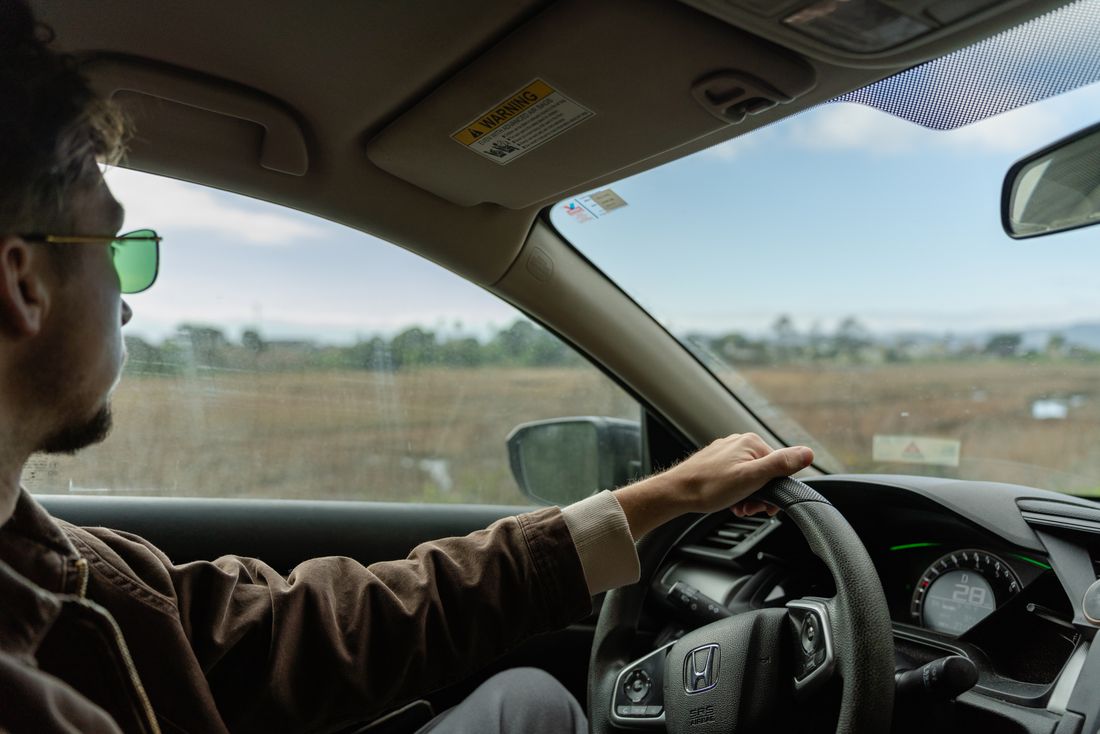
Comparing options before the semester starts
A student's move to campus is a natural moment to see how the family policy compares with what else is out there. Different insurers treat distant students, out-of-state garaging and good student discounts in different ways, so the same household can get noticeably different quotes depending on who is doing the pricing.
If you'd like to see a few options side by side, AutoAssures can pass one request to up to four licensed partners in your state, and they can explain how they'd handle your student's situation. Whatever you decide, the most useful habit is keeping the policy accurate as the school year unfolds.